 由 John-Paul Duff
 Choosing the right fly line is crucial for success in fly fishing, especially for beginners. Weight forward fly lines are designed to help you make accurate casts and handle a variety of fishing situations with ease. I found that this type of line can greatly enhance my casting technique, allowing for better control and precision during those critical moments on the water.
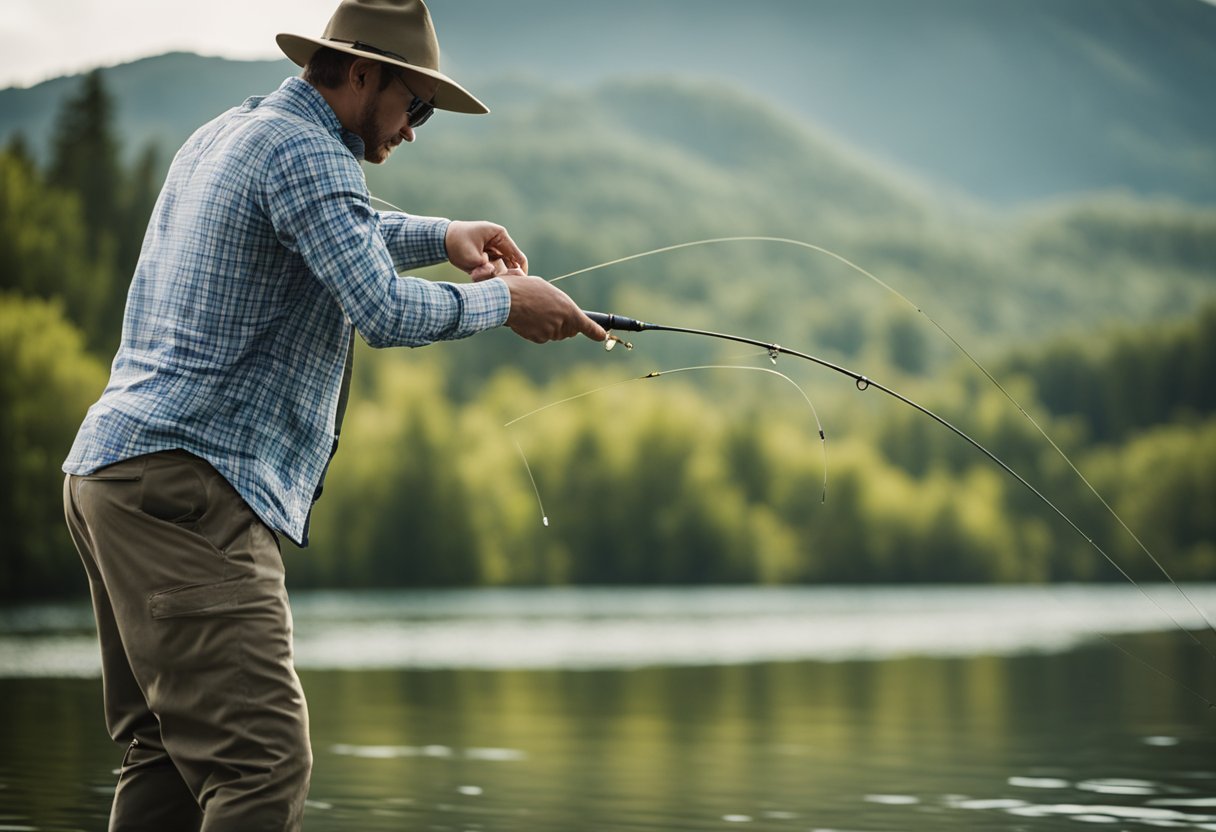
Setting up a weight forward fly line may seem daunting at first, but it’s a straightforward process. The front section’s heavier taper promotes efficient casts, making it easier to load the rod and achieve distance. Understanding how to properly rig this line can significantly impact your overall fishing experience.
Once I mastered the basics of weight forward fly line casting, I noticed immediate improvements in my performance. This line allows for smoother transitions and can handle a wide range of flies and fishing conditions. Exploring the nuances of this casting technique can elevate any beginner’s skill set and increase their confidence on the water.
Understanding Fly Lines
Fly lines are crucial to the fly fishing experience, significantly affecting casting, presentation, and overall success. Two key aspects of fly lines are tapers and weight classifications, which directly influence their performance and suitability for different fishing situations.
Fly Line Tapers and Profiles
Fly lines come in various tapers, each designed for specific fishing techniques. The most common types are Weight Forward (WF) and Double Taper (DT).
- Weight Forward (WF) lines have a thicker front section that allows for longer casts and better turnover of flies. They are ideal for beginners as they facilitate easier casting with less effort.
- Double Taper (DT) lines feature a uniform taper that is ideal for delicate presentations and roll casts. They can be reversed for double the lifespan, making them economical.
The line profile influences casting distance and accuracy. Selecting the appropriate taper depends on the fishing environment and techniques I plan to use.
Fly Line Weight and AFTMA Standards
Fly line weights are measured according to the AFTMA (American Fishing Tackle Manufacturers Association) standards. This system categorizes lines from 1 to 14, with lower numbers suited for lighter rods and smaller fish, while higher numbers accommodate larger rods and heavier flies.
- Common Weights:
- 5 weight: Versatile for small to medium freshwater species.
- 8 weight: Ideal for larger freshwater and saltwater applications.
Choosing the correct weight is essential for proper rod balance and casting efficiency. Matching the line weight to the rod ensures optimal performance, helping me achieve better results on the water.
Setting Up Your Fly Line
Properly setting up your fly line is crucial for an effective fishing experience. This process involves connecting your line to the backing and attaching the leader and tippet.
Connecting Your Fly Line to Backing
To connect your fly line to the backing, I start by threading the running line through the rod guides. I then tie the backing to the fly line using a reliable knot, like the Albright knot. This knot is strong and easy to tie, ensuring a secure connection.
Steps:
- Align the lines: Place the two lines parallel, overlapping them by about 12 inches.
- Wrap the backing: Make several wraps around the fly line with the backing.
- Secure the knot: Pass the backing line through the loop formed and pull tight.
Next, I trim excess backing, ensuring that the connection is neat. This setup influences the overall performance of the line, especially during long casts.
Attaching the Leader and Tippet
Attaching the leader to your fly line is an essential step. I prefer using a loop-to-loop connection for its ease and security. First, I ensure the leader’s loop fits snugly onto the fly line’s loop.
Process:
- Select the leader: I choose a leader based on the water conditions and type of fly.
- Tie the tippet: If necessary, I tie a tippet to the end of the leader using a Surgeon’s Knot for added length and versatility.
- Check connections: Finally, I inspect all knots and connections to prevent any failures while fishing.
This setup enhances the line’s performance due to the smooth transition between the different line sections, influencing my casting distance and accuracy.
Casting Techniques and Tips
In weight forward fly line casting, mastering the fundamental techniques is key to enhancing accuracy and distance. I focus on specific methods that cater to both beginners and those looking to refine their skills.
Basics of Weight Forward Line Casting
When I cast with a weight forward fly line, it’s vital to use smooth, deliberate movements. I begin with a proper stance, positioning my feet shoulder-width apart for stability. My grip should be firm yet relaxed on the rod.
The casting motion starts by raising the rod smoothly to about a 10 o’clock position. A quick flick of the wrist generates the necessary energy. I let the line load by waiting for a brief moment before moving the rod forward.
For distance, I emphasize the importance of using the rod’s tip to create a tight loop. I always aim for the line to unroll parallel to the water surface. Consistent practice enhances my accuracy significantly with every session.
Advanced Casting: Roll Cast and Double Haul
The roll cast is a technique I employ when backcasting space is limited. This cast allows me to lift the line from the water without needing to cast overhead. I start by positioning the rod tip low to the water and using a short, smooth motion to pull the line back, engaging the rod’s load.
For a double haul, I incorporate a simultaneous pull on the line with the other hand as I initiate the cast. This technique significantly increases line speed and distance. Timing is essential, so I focus on synchronizing my movements.
Practicing these advanced techniques improves my casting skills, ensuring I am better equipped for varied fishing environments and conditions.
Fly Line Selection and Maintenance
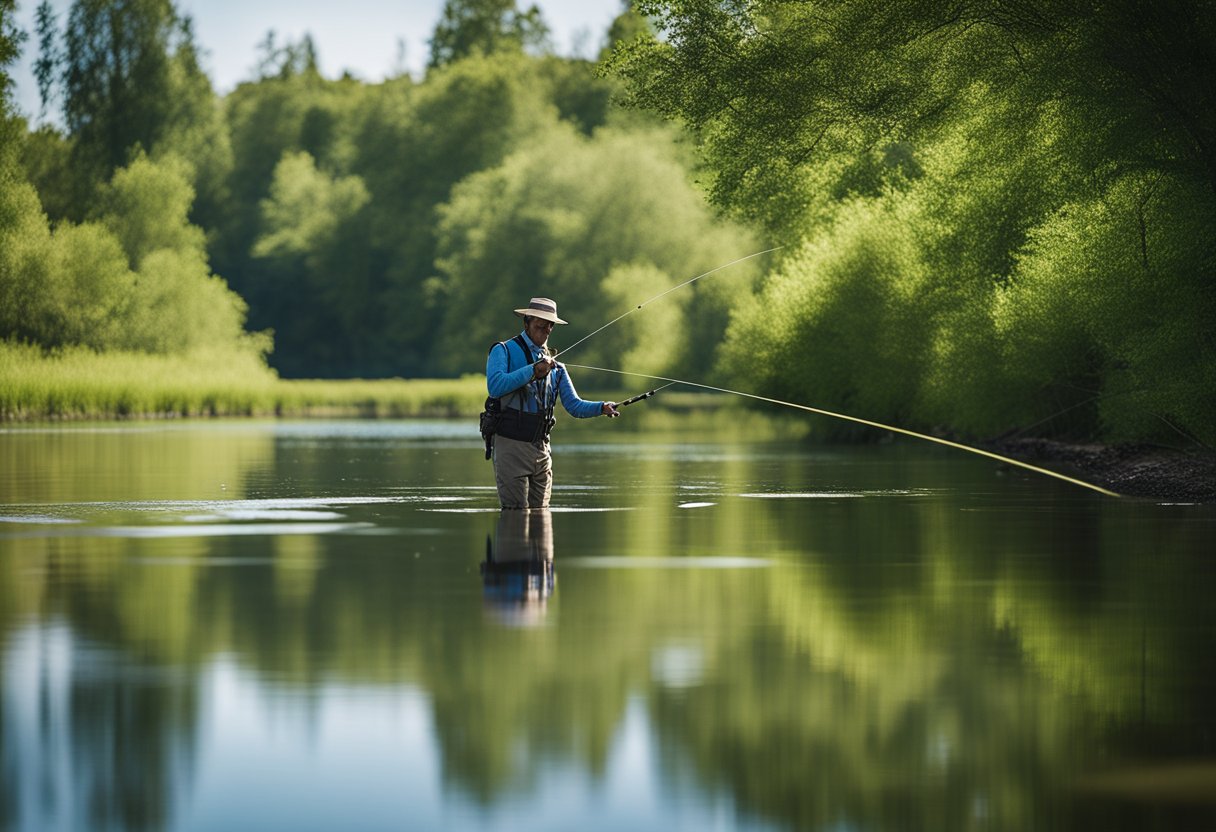
Choosing the right fly line and maintaining it properly are essential for successful fly fishing. The right line enhances casting and presentation, while proper care ensures longevity and consistent performance.
Choosing the Right Fly Line for Different Fishing Scenarios
Selecting the appropriate fly line depends on specific fishing conditions. I consider factors like water type and the target species when choosing between options like floating lines, sinking lines, and intermediate lines.
- Floating Line: Best for using dry flies and presenting flies on the surface.
- Sinking Lines: Ideal for deep-water fishing, especially when using weighted flies or streamers.
- Sink Tip Line: A versatile choice, perfect for nymphing in various depths.
For varied conditions, I sometimes opt for textured lines from brands like Scientific Anglers, which can help improve line control and reduce tangles. Matching the line to the fishing environment ensures better lure presentation and effective catch rates.
Caring for Your Fly Line
To maintain my fly line, I prioritize cleaning and storage, as these steps significantly extend its lifespan. I use a micrometer to check the line’s condition periodically.
- Cleaning: I gently wipe the line with a soft cloth or dedicated cleaner to remove dirt and debris. For heavier cleaning, I use a solution designed for fly lines.
- Storage: Proper storage is vital. I store the line on a reel to prevent kinks and twists, ensuring it lies flat in a cool, dry place.
Regular maintenance keeps my line performance at its peak, allowing me to focus on the fishing rather than worrying about equipment issues.